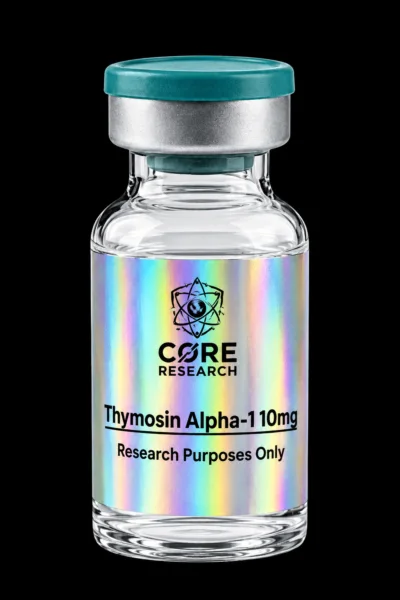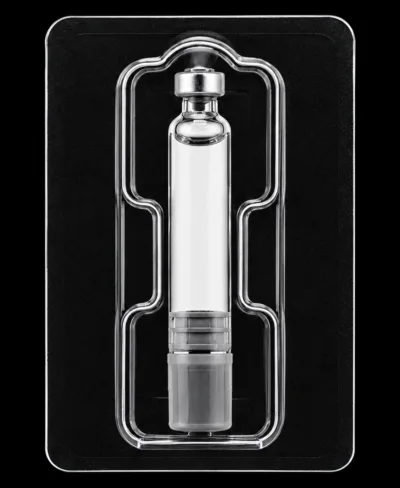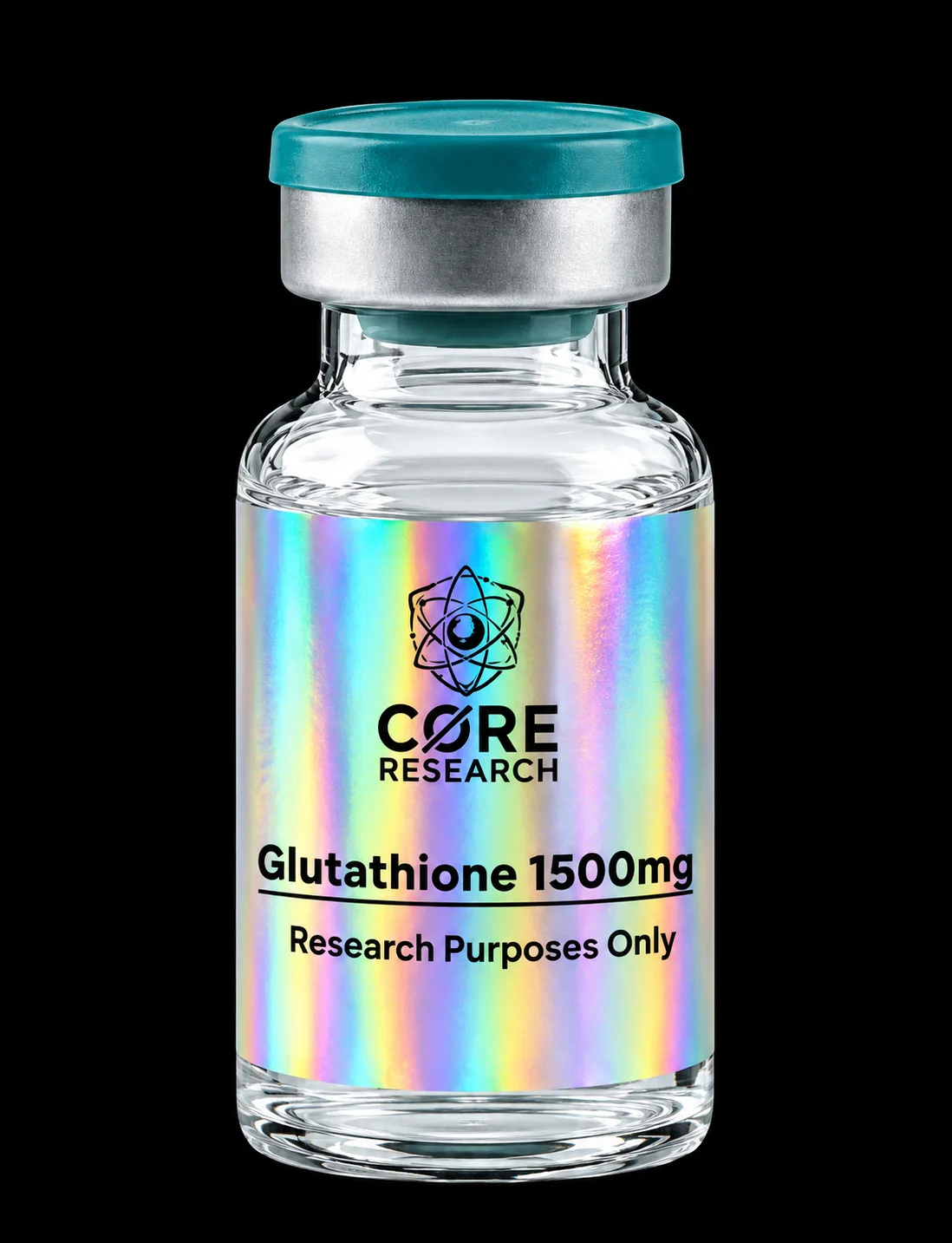
Description
Glutathione 1500mg from Core Research is a research-only catalogue item. Nominal 1500mg glutathione research-vial presentation. For this compound, GSH/GSSG chemical state and the analytical mass basis are especially important; the label is not an assay of the reduced form. For in-vitro laboratory research only; not for human or veterinary use.
What exactly is supplied?
Nominal 1500mg glutathione research-vial presentation. For this compound, GSH/GSSG chemical state and the analytical mass basis are especially important; the label is not an assay of the reduced form. The amount on the product name is a catalogue declaration, not a measurement of mass, chemical purity or content for an individual lot. Check the product and the applicable documentation if a specification is essential to your experiment.
| Attribute | What the product page establishes |
|---|---|
| Exact catalogue listing | Glutathione 1500mg |
| Labelled quantity | 1500mg nominal per listed item |
| Presentation | Lyophilised vial |
| Research entity | Glutathione (GSH / GSSG redox system) |
| Declared use | In-vitro laboratory research only; not human or veterinary use |
| Lot evidence | Request the report applicable to the lot and exact format proposed for dispatch |
The supplied label and any quality record should identify the lot. If you need the exact chemical form, sequence, terminal groups, counter-ion, mass basis, analytical identity or content, ask for a record tied to this product. Literature references and reference-database formulae are not supplier assay data.
How does this compare with the other formats?
These are separate catalogue products. A name shared across vial, refill and pen listings does not establish identical packaging, fill, solvent, compatibility, concentration or shelf life. A related molecule is not a substitutable chemical merely because it appears in the same research category.
| Catalogue item | Why the distinction matters |
|---|---|
| Glutathione 1500mg — this listing | Single-material vial listing; lyophilised research product as catalogued. Not a ready-to-use solution, pen or refill. |
| Glutathione 1500mg Refill | Separately listed refill-cartridge presentation |
| Thymosin Alpha-1 10mg | An unrelated immunological peptide |
Reduced-versus-oxidised glutathione must be established independently of presentation. A cartridge and a vial carrying the same nominal amount can still differ in contact materials, exposure history, closure and finished-format control.
Why is Glutathione (GSH / GSSG redox system) researched?
Glutathione is a gamma-glutamyl-cysteinyl-glycine tripeptide involved in cellular thiol chemistry. Reduced glutathione (GSH) and its oxidised disulfide form (GSSG) are related but not analytically interchangeable materials.
Scope of the studies selected below: Glutathione biosynthesis, thiol/disulfide redox regulation, protein S-glutathionylation and the laboratory analytical questions relevant to a 1500mg nominal product.
Why glutathione is a distinctive tripeptide
The glutamate–cysteine linkage in glutathione is unusual: it uses the gamma carboxyl group of glutamate rather than a conventional alpha-peptide bond. The cysteine thiol is central to glutathione redox chemistry. A reference structure can identify GSH, but the label “glutathione” alone should not be used to declare the exact supplied redox form or an assay result. 1
Glutathione is synthesised intracellularly through glutamate-cysteine ligase followed by glutathione synthetase. The activity of the pathway and the balance between reduced and oxidised species respond to cellular conditions. These are general biochemical facts—not claims that this supplier vial changes the glutathione status of an organism. 1
From GSH to GSSG: what a redox assay asks
In a typical glutathione redox cycle, thiol chemistry participates in reactions that convert reduced glutathione to oxidised glutathione, while reductase systems using cellular reducing equivalents can regenerate GSH. Different laboratory assays quantify total glutathione, free GSH, GSSG or related conjugates. A total-glutathione value cannot automatically be read as the amount of reduced form. 1
Sample handling is part of the measurement. Oxygen exposure, temperature, pH, time before derivatisation and the assay chemistry may alter the observed free-thiol balance. The distinction between substance identity, an analyte concentration and a prepared-solution stability claim matters before comparing published results to a commercial material. 1, 2
Protein S-glutathionylation is a signalling modification
Dalle-Donne and colleagues reviewed evidence that glutathione can form reversible mixed disulfides with protein cysteine residues. This post-translational modification can modify structural, metabolic and signalling protein behaviour; it is not reducible to a single “antioxidant benefit”. The chemical environment, cysteine accessibility and enzymes involved determine the result. 2
Gallogly and Mieyal further discussed reversible protein glutathionylation as a form of redox signalling and a possible protection against irreversible cysteine oxidation. These reviews integrate multiple experimental systems. They do not directly test Core Research products or establish a clinical effect for a supplied vial or cartridge. 3
What analytical documentation needs to distinguish
For a glutathione supplier lot, chemical form, total reported mass, content determination, chromatographic purity and the proportion of oxidised species are different questions. An HPLC peak-area percentage does not prove that a labelled 1500mg consists entirely of analytically confirmed reduced glutathione. A lot-specific report should name the analyte, method, measured values, sample identity and acceptance basis. 1, 2, 3
What analytical evidence matters for this exact item?
A relevant certificate or analytical report should identify the tested material, reported lot, form and method. Separate identity (what was tested), purity (how the major signal relates to impurities under one method), content (how much material was measured) and the packaging/fill specification. A cited paper investigates the research entity; it does not certify the vial or cartridge supplied here.
Use Batch Documentation to enquire before purchase, specifying “Glutathione 1500mg” and your required tests. No existing order or container lot is needed to make a pre-purchase enquiry under Core Research’s published documentation route. After delivery, match the returned report to the supplied lot rather than assuming a certificate for another item applies.
The guide to reading a peptide CoA explains how to identify the tested sample; the HPLC guide distinguishes chromatographic peak area from measured content, and the mass-spectrometry guide explains how observed ions and expected identity differ. An absent lot-specific result is treated as unknown, never as a default purity or sterility claim.
GSH versus GSSG is a real specification question
Ask whether the report addresses reduced glutathione, oxidised glutathione, total glutathione or another explicitly named material. A single HPLC purity percentage does not automatically quantify the GSH:GSSG composition. Redox changes during sample preparation can affect measurement, so the handling and analytical method matter. Do not accept a generic “antioxidant purity” statement as a substitute for the named analytes.
Vial format and nominal amount
This product is the standalone vial listing. A nominal dry-material amount is not an aqueous concentration, a number of samples or a verified peptide-content assay. Any solution properties depend on the actual compound form, solvent, container, method and controls, which this page does not specify.
Storage, dispatch and laboratory receiving
Follow the conditions documented on the supplied label or applicable product/lot specification. Fixed refrigerated/frozen shelf lives, dry-product expiry, prepared-solution lifetime and transport-temperature promises are not inserted without appropriate evidence. An unopened material and a prepared solution have different possible stability concerns.
Glutathione presents a specific redox-state issue: exposure history, oxygen, pH and sample preparation may change the measured balance of thiol and disulfide species. Treat formulation/stability results from a separate product as context, not a guaranteed solution lifetime.
At receipt, record the name, quantity, batch/lot identifier, packaging condition and closure. Compare them against the purchase record and any available certificate. The research-product receiving checklist provides the workflow; for delayed or unexpectedly warm deliveries use the arrival-condition guide and retain photographs/tracking where relevant.
Core Research publishes UK dispatch from Birmingham and plain, unmarked outer packaging. Tracking is supplied where provided by the chosen service. The actual delivery charge and expected timing depend on destination, order and checkout options; no universal next-day or temperature-controlled service is promised by this product draft.
Ordering and support
Select the desired quantity using the native WooCommerce purchase panel; current price, availability and the available checkout methods are determined by the live site, not by this static description. For supplier, material or lot questions, contact Core Research before placing an order.
Request batch documentation · Ask about this product · Institutional procurement · Shipping & Delivery
The supplied research material is not intended for clinical treatment, disease prevention, human or veterinary administration, food, cosmetic self-use or any unsupervised personal procedure.
Frequently asked ordering and laboratory questions
What is included in this product?
Single-material vial listing; lyophilised research product as catalogued. Not a ready-to-use solution, pen or refill. The catalogue amount is 1500mg nominal. Confirm any accessory, packaging or filled-state requirement before buying.
Can I request batch documentation before ordering?
Yes. The published documentation route accepts pre-purchase enquiries naming the product and presentation. Ask for the actual tests and lot applicability needed by your laboratory; a reply or historical certificate should not be mistaken for a guaranteed current-lot assay.
Does the labelled amount determine the concentration or experimental sample count?
No. A labelled mass is not a liquid volume or measured solution concentration. Experimental consumption depends on method, assay design and validated material-content basis. This page does not provide a preparation or use protocol.
Is this a medicinal or ready-to-administer product?
No. This listing is restricted to in-vitro laboratory research and does not provide a therapeutic, cosmetic, veterinary or personal-use indication.
What research finding is most important to interpret carefully?
GSH, GSSG and total glutathione are different analytical endpoints; a peak-area purity statement cannot settle the redox-state question.
How do delivery and institutional quotations work?
Use the live checkout for the available price, stock, shipping methods and final charge. Institutions can request quotations or purchase-order references through Core Research’s procurement route; raise any specific lot or documentation condition before ordering.
What should we do if the item is damaged or labelled incorrectly?
Preserve the packaging and lot information, take clear photographs and contact Core Research with your order details before using the material in an experiment.
Research references
[1] Glutathione synthesis and its role in redox signalling (2012). PMID 22504020 (biochemistry review). View research record
[2] Dalle-Donne I et al. (2007). S-glutathionylation in protein redox regulation (review). PMID 17697933. View research record
[3] Gallogly MM, Mieyal JJ (2007). Reversible protein glutathionylation and oxidative-stress signalling (review). PMID 17662654. View research record