Description
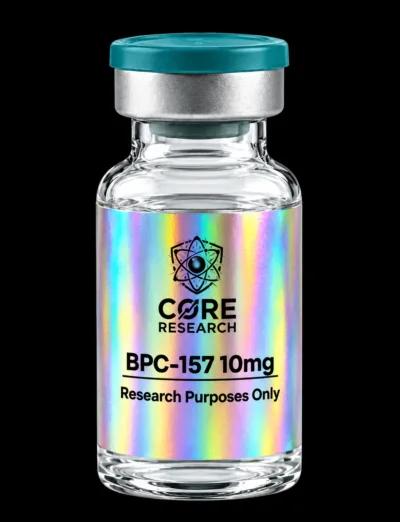
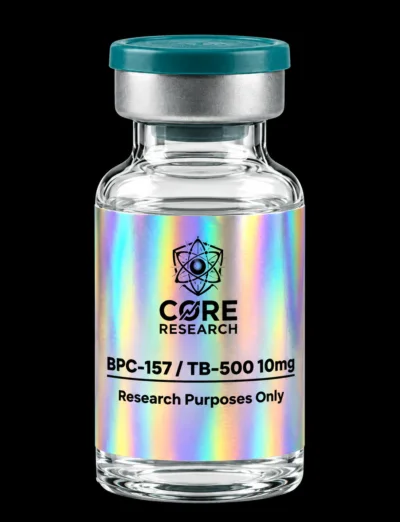
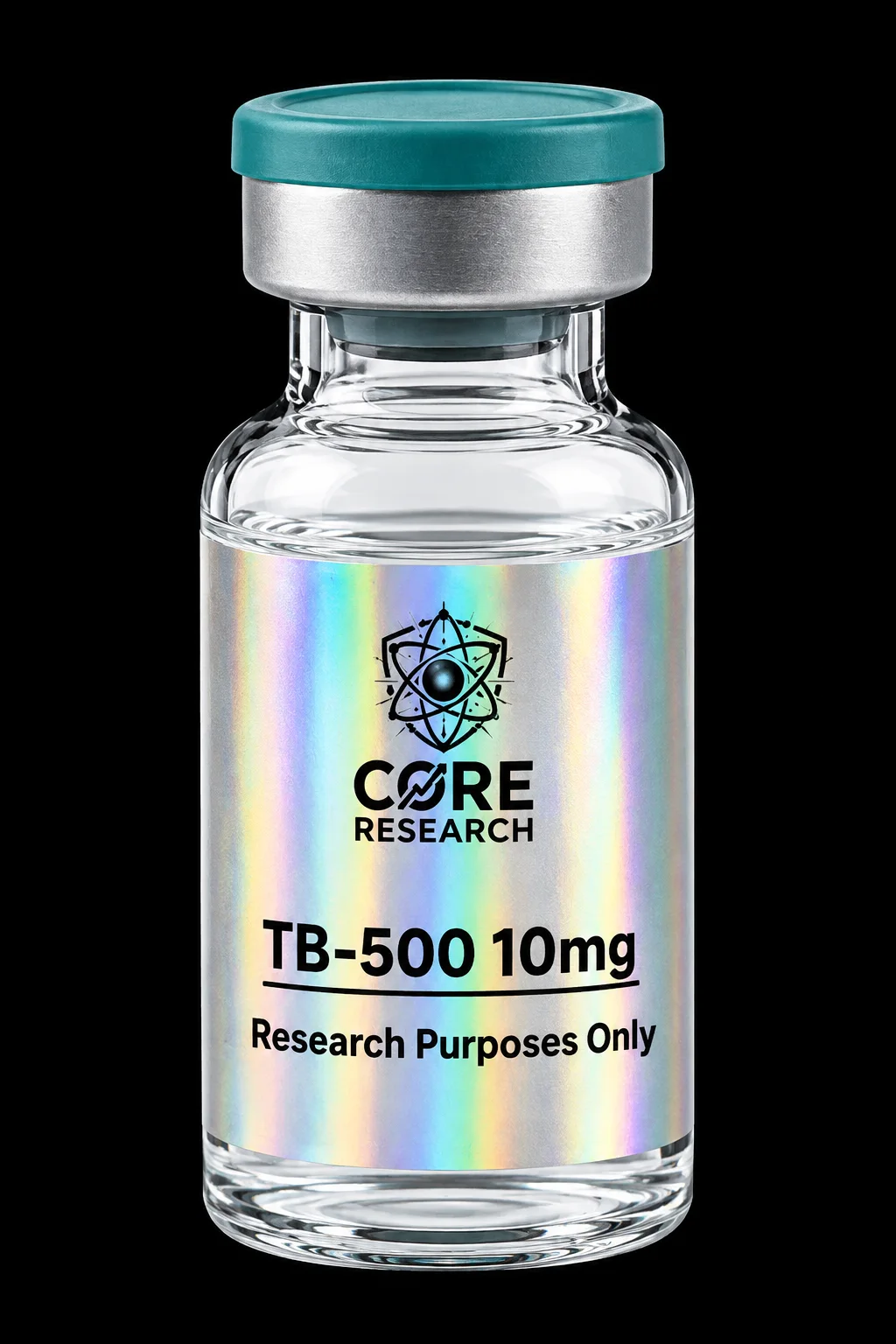
TB-500 (Ac-LKKTETQ) — Research Grade, 10 mg Lyophilised Vial
TB-500 is the synthetic, N-terminally acetylated heptapeptide Ac-LKKTETQ, corresponding to residues 17–23 of the 43-amino-acid protein thymosin beta-4 (Tβ4; CAS 61512-21-8; MW ≈ 4,963 Da). TB-500 is not thymosin beta-4: it is a structurally distinct synthetic fragment with a molecular weight of 760.90 Da, differing from the full-length protein in sequence length, molecular mass, and pharmacokinetic behaviour. This distinction is essential for correct experimental design and data interpretation. Core Research supplies TB-500 as a lyophilised acetate salt, manufactured to analytical grade (≥99.0% HPLC purity) and verified by electrospray ionisation mass spectrometry (ESI-MS) prior to release. Each 10 mg vial is accompanied by a batch-specific Certificate of Analysis.
Analytical Specification
| Parameter | Specification |
|---|---|
| Sequence (single-letter) | Ac-LKKTETQ |
| Parent Protein | Thymosin beta-4 (Tβ4), residues 17–23 only |
| Molecular Formula | C33H60N10O9 |
| Molecular Weight | 760.90 Da (cf. full-length Tβ4: ≈ 4,963 Da) |
| CAS Number | 77591-33-4 (Ac-LKKTETQ acetate) |
| Salt Form | Acetate |
| Physical Form | White to off-white lyophilised powder |
| Purity (HPLC) | ≥99.0% |
| Identity Confirmation | ESI-MS (observed vs. theoretical monoisotopic mass) |
| Fill per Vial | 10 mg |
| Sterility | Non-sterile lyophilised research material |
Storage and Transport Conditions
| Condition | Specification | Notes |
|---|---|---|
| Lyophilised (sealed vial) | −20 °C, desiccated, protected from light | Store in original sealed vial until use |
| Transit | Ambient; cold-chain packaging included | Lyophilised form is stable during standard UK domestic shipping |
| Intended Use | In vitro and pre-clinical laboratory research only | Not for human or veterinary use |
Note: Reconstituted solution storage guidance is not provided, consistent with Core Research’s Research Use Only supply policy. Researchers should refer to their institutional SOPs for handling reconstituted peptide solutions.
Batch Documentation and Quality Assurance
Every batch of TB-500 dispatched by Core Research is accompanied by a batch-specific Certificate of Analysis (CoA) confirming HPLC purity (≥99.0%) and ESI-MS identity. CoA documents are available via the Certificate of Analysis Portal. For further information on our analytical methodology, refer to the HPLC Purity in Peptide Research guide.
Structural Identity: TB-500 and Its Relationship to Thymosin Beta-4
The relationship between TB-500 and thymosin beta-4 is a source of consistent nomenclature confusion in the research literature, and understanding it is essential for correct experimental interpretation. Thymosin beta-4 (Tβ4) is a 43-amino-acid, water-soluble protein encoded by the X-linked TMSB4X gene, with a molecular weight of approximately 4,963 Da. It is the predominant β-thymosin in mammalian cells, constituting roughly 70–80% of all β-thymosins expressed in human tissue.
TB-500 is not thymosin beta-4. It is the synthetic, N-terminally acetylated heptapeptide fragment Ac-LKKTETQ corresponding to residues 17–23 of the full-length Tβ4 sequence. This seven-residue segment contains the WH2 (Wiskott-Aldrich Homology 2) actin-binding motif of Tβ4 — the structural locus responsible for G-actin sequestration and the downstream regulation of actin polymerisation dynamics. Esposito et al. (2012) first characterised and confirmed the identity of Ac-LKKTETQ in commercial TB-500 preparations using high-resolution Orbitrap mass spectrometry, establishing the analytical framework now used for anti-doping and quality control purposes.
The acetylation of the N-terminus is a deliberate synthetic modification that confers metabolic stability relative to the unmodified LKKTETQ sequence. Rahaman et al. (2024) characterised the metabolic profile of Ac-LKKTETQ in human serum and rat urine, identifying Ac-LK as the primary short-term metabolite and Ac-LKK as a longer-term metabolite detectable in animal models.
For a detailed structural comparison of TB-500 and thymosin beta-4 — including sequence alignment, molecular mass differences, and the nomenclature inconsistencies commonly encountered in commercial and academic literature — refer to the TB-500 vs Thymosin Beta-4: Structural and Nomenclature Distinctions guide.
Regulatory and Compliance Status
TB-500 (Ac-LKKTETQ) is not approved as a medicinal product by the MHRA, FDA, or EMA. It is supplied as a research chemical for laboratory use only, consistent with Core Research’s Research Use Only supply policy. TB-500 and thymosin beta-4 appear in anti-doping literature and are referenced on the World Anti-Doping Agency (WADA) Prohibited List; researchers involved in anti-doping science or sports medicine research should consult the current WADA List directly at wada-ama.org for the most up-to-date classification. Core Research does not make representations about the regulatory or anti-doping status of any compound beyond the Research Use Only supply boundary described in our RUO Compliance Policy.
Frequently Asked Questions
What is the difference between TB-500 and thymosin beta-4?
Thymosin beta-4 (Tβ4) is a 43-amino-acid protein (MW ≈ 4,963 Da) encoded by the TMSB4X gene. TB-500 is the synthetic, N-terminally acetylated heptapeptide fragment Ac-LKKTETQ (MW 760.90 Da) corresponding to residues 17–23 of Tβ4. TB-500 contains the WH2 actin-binding domain of Tβ4 but is structurally, pharmacokinetically, and analytically distinct from the full-length protein. A detailed structural comparison is available in the TB-500 vs Thymosin Beta-4 guide.
Is a Certificate of Analysis available for this batch?
Yes. Every vial is accompanied by a batch-specific CoA confirming HPLC purity (≥99.0%) and ESI-MS identity. CoA documents are accessible via the CoA Portal.
What is the WADA classification of TB-500?
TB-500 and thymosin beta-4 appear in anti-doping literature and on the WADA Prohibited List. Researchers should consult the current WADA List directly at wada-ama.org for the most up-to-date classification. Core Research supplies TB-500 strictly for laboratory research under its Research Use Only policy.
Related Laboratory Guides
Research context
The published literature on this material is summarised in the laboratory guides linked below. This record describes the material as supplied: identity, format, analytics, storage and documentation. It does not describe effects, and none should be inferred from the catalogue category.
Research Use Only — Not for Human or Veterinary Use
TB-500 is supplied exclusively for in vitro and pre-clinical laboratory research. It is not a medicinal product, has not been approved for therapeutic use in any jurisdiction, and must not be administered to humans or animals. Procurement confirms the purchaser is a qualified researcher operating within an institutional or commercial laboratory setting.