Description
KLOW Refill 80mg is the refill-cartridge presentation of Core Research’s four-component KLOW blend, naming BPC-157, TB-500, GHK-Cu and KPV and a nominal 80mg combined amount. The word refill identifies a different supplied format from the standalone KLOW 80mg vial. A complete dispensing pen is not included by the name of this refill listing. Confirm the physical contents and relevant device compatibility for the exact refill before ordering.
The inspected product record does not establish each constituent’s individual labelled mass, the exact TB-500 molecular form, cartridge dimensions, fill volume or verified stability/dispensing performance. This page separates the supported catalogue identity from the evidence needed to qualify those individual attributes.
For in-vitro laboratory research only; not for human or veterinary use. Scientific observations concerning separate peptides do not validate their simultaneous use or any device-based administration.
Exactly what is supplied in the refill listing?
| Item attribute | Current supported description |
|---|---|
| Listing | KLOW Refill 80mg |
| Presentation | Refill-cartridge-format, four-component research material, described as lyophilised |
| Named constituents | BPC-157; TB-500; GHK-Cu; KPV |
| Labelled total | 80mg nominal combined mass |
| Per-component quantities | Not established from the inspected product record; confirm from the applicable material specification |
| Exact peptide chemistry | BPC-157 form, TB-500 species, GHK-Cu complex basis and KPV terminal/counter-ion chemistry require applicable source evidence |
| Cartridge and device specification | Dimensions, compatible hardware, closure, fill state, accessories and dispensing performance require the refill’s own documented specification |
| Intended context | Laboratory research, not human or veterinary administration |
Do not calculate 20mg of each peptide by dividing the nominal total by four. A blend can contain unequal masses; the actual declared amounts and analytical content belong in the applicable product or lot record. Nor is 80mg a solution concentration: that would require a verified component quantity, an actual volume and a specified method.
Refill versus vial versus separate constituent products
The KLOW vial is a separate container format. A vial’s evidence about dry material does not validate a cartridge’s physical dimensions, seal integrity, fill quantity, plunger movement or device compatibility. A cartridge can introduce product-contact and extractable-material questions that do not arise in the same way for a conventional sealed vial. The available record does not establish these finished-format performance characteristics for this refill.
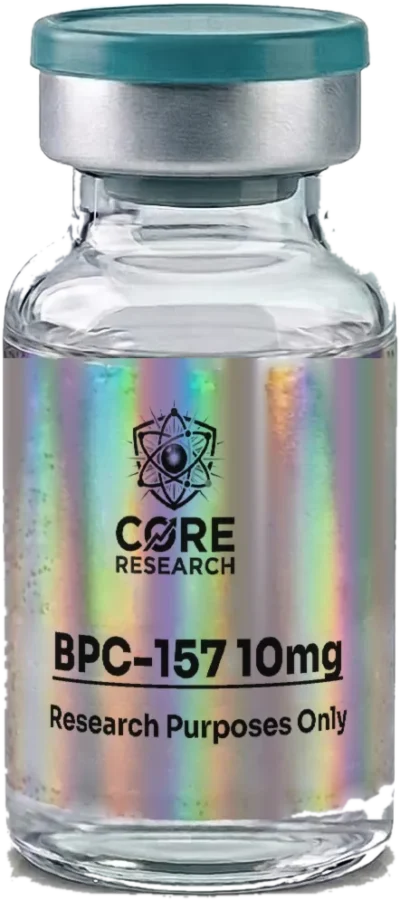
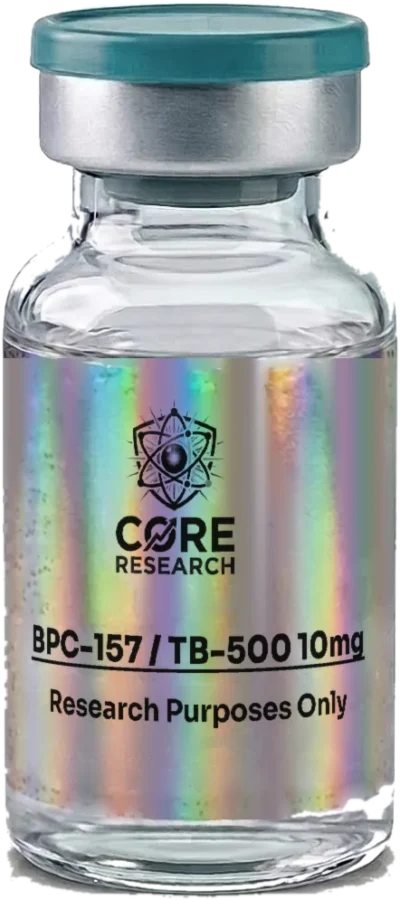
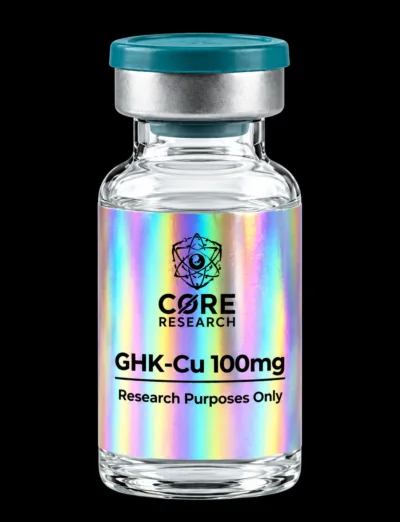
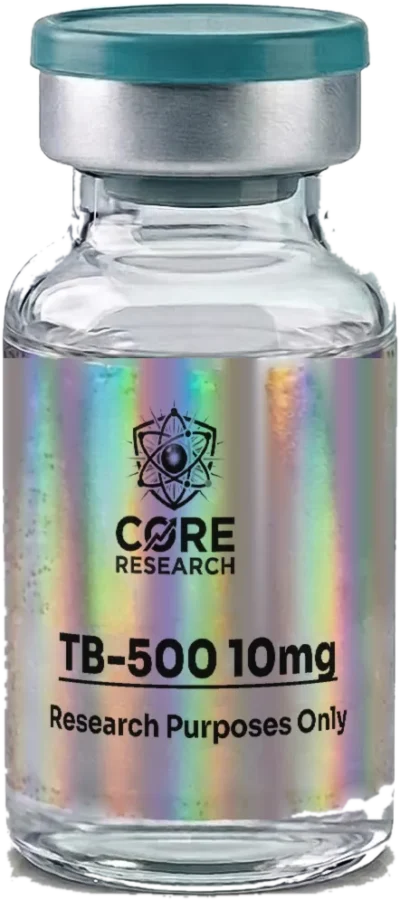
Four separate research products—BPC-157 10mg, TB-500 10mg, GHK-Cu 100mg and KPV 10mg—offer different experimental control of individual materials. The KLOW refill is the fixed combined catalogue preparation; it cannot be treated as if one could independently vary each constituent after manufacture. See the vial-versus-pen-format guide and single-versus-blend guide for further selection context.
| Research decision | KLOW refill | KLOW vial | Four separate vials |
|---|---|---|---|
| Named component set | Four together | Four together | Chosen independently |
| Container or device concerns | Cartridge-specific; compatibility and inclusion must be confirmed | Sealed vial specification | Individual vial specifications |
| Ratio evidence needed | Per-component specification for the refill lot | Per-component specification for the vial lot | Per-product quantities and lots |
| Mixture research evidence | Direct blend evidence required; constituent studies alone insufficient | Same limitation | Constituent studies can be mapped to a studied material, but do not automatically predict combined behaviour |
Batch documentation and refill verification before purchase
The essential questions are what compounds are present, how much of each, and what physical refill is supplied. Core Research has a Batch Documentation enquiry route that can be used before purchase; identify “KLOW Refill 80mg” and request any available specifications for the intended lot and presentation. The enquiry does not require an existing order or a container lot number.
A document for another product, another KLOW vial lot, or a single constituent is not sufficient to establish a four-component refill’s content. For laboratory traceability, ask for the assigned lot, component-specific identity/quantity measurements where available, analytical methodology, relevant counter-ion/form and finished-format specification. A single HPLC purity number does not substitute for four mass assays. For background, see how to read a CoA, HPLC identity and purity, mass spectrometry and pen/cartridge capacity and precision.
Why does the cartridge need its own evidence?
Even with matched peptide identities and totals, a finished-format product has additional attributes: container dimensions, seal, fill state, contact materials and hardware compatibility. The act of filling, storing or interacting with a polymer, elastomer or other contact surface can create questions about recovery and stability. Without a product-specific test, these are verification questions, not claims that a problem has occurred. Documentation for a complete pen or another refill is not proof of this cartridge’s performance.
Why the four constituents are studied
The components have related but nonidentical scientific literatures. None of the experiments below establishes the effectiveness, safety, stability or delivery of this precise KLOW refill preparation.
BPC-157: attachment, migration and vascular research
In rat Achilles-tendon explants and cultured fibroblasts, Chang and colleagues reported increased cell outgrowth, migration, spreading and survival under hydrogen-peroxide stress. They measured higher FAK/paxillin phosphorylation without an increase in the total proteins, while direct cell proliferation did not increase in the described assay. The narrow interpretation is cell-attachment and movement signalling, not automatic tissue growth. 1
A later study found greater growth-hormone-receptor expression in rat tendon fibroblasts. Its proliferation-related and JAK2 findings were obtained after growth hormone was separately added; the extra stimulus cannot be omitted when interpreting the result. 2
Hsieh and colleagues used endothelial cell, chick-membrane and rat hindlimb-ischemia models to investigate VEGFR2 expression, internalisation, Akt and eNOS signalling. Another study measured relaxation of isolated rat aortic rings with an endothelial/nitric-oxide contribution. Angiogenesis and vasomotor tone are different endpoints, and neither is a test of KLOW in a cartridge. 3 4
TB-500: fragment identity and actin-domain research
The designation TB-500 is not unambiguous. Esposito and colleagues identified Ac-LKKTETQ, an N-terminally acetylated seven-residue fragment of thymosin beta-4, in a particular TB-500 preparation. This is not the same chemical entity as full-length 43-residue thymosin beta-4 or the unacetylated seven-residue sequence. The study cannot determine the molecular form included in Core Research’s KLOW refill. 5
Work on full-length thymosin beta-4 maps actin interaction across multiple regions. Philp and colleagues reported repair-related findings with full-length protein and an actin-domain fragment in animal skin-wound models. Shah and colleagues found reduced, not increased, migration and proliferation in PDGF-BB-stimulated human hepatic stellate cells under their studied conditions. The apparently opposite directions concern different cell systems and experimental questions. 6 7 8
More recent fragment/metabolite work separately tested parent and breakdown products. A positive screen for the Ac-LKKTE metabolite must not be relabelled as proof of a response to every TB-500 preparation. 9
GHK-Cu: barrier proteins, inflammatory signalling and matrix remodelling
GHK-Cu is a copper complex of glycyl-L-histidyl-L-lysine, not free GHK and not a defined quantity of elemental copper. Mao and colleagues studied a chemically induced mouse colitis model and epithelial/macrophage co-cultures. They reported changes in ZO-1 and occludin, cytokines, SIRT1 and STAT3-related signalling, with a difference between junction-related and remaining anti-inflammatory responses after STAT3 silencing. These cell and mouse results cannot establish a four-peptide refill outcome. 10
Park and colleagues studied LPS-related inflammatory/oxidative responses in cells and mouse lung injury. Ma and colleagues studied a bleomycin-induced mouse fibrosis model and reported changes in collagen deposition, oxidative-stress and fibrotic signalling. Those models do not simply show that GHK-Cu “raises collagen” in every tissue; matrix turnover can have different directions and endpoints. 11 12
KPV: transporter-dependent uptake and formulation effects
KPV (Lys-Pro-Val) is a tripeptide related to the terminal sequence of alpha-MSH, not the full hormone. Dalmasso and colleagues investigated cellular PepT1 uptake in intestinal/immune cells and measured NF-κB/MAPK signalling and cytokines, along with mouse colitis-model outcomes. A transporter-associated cellular response cannot be inferred from the KLOW refill label. 13
Xiao and colleagues used a hyaluronic-acid-targeted nanoparticle/hydrogel system in cellular and animal colitis work. Changes seen with that prepared carrier reflect both the peptide and its delivery system; they do not transfer to an undocumented four-component cartridge. In separate keratinocyte stress models, Sung and colleagues measured changes in reactive-oxygen and MAPK/NF-κB-associated signals. These are experimental findings rather than clinical or finished-product tests. 14 15
What is known about the four-component combination itself?
No qualifying direct investigation of this exact four-component KLOW formulation, component ratio or refill-cartridge performance was identified in the targeted literature reviewed for this draft. That is a statement about the searched evidence, not a universal claim that no unpublished work exists.
The four families of studies provide separate hypotheses for an assay—cell movement and stress, actin-related functions, copper-peptide inflammation/matrix signalling, and short-peptide transport. They do not prove additivity, synergy, a predictable cellular response in the mixture, chemical stability after preparation or a human-use outcome. A combined experiment should retain constituent and mixture controls appropriate to its research design.
Storage, receiving, dispatch and support
Follow the actual label and lot-specific instructions for the supplied refill. Do not transfer an unopened-vial storage interval, a prepared-solution life or another manufacturer’s cartridge handling claim to KLOW Refill 80mg. Relevant questions include lyophilised-material conditions, exposure to moisture, contact materials and post-preparation stability. The storage-temperature guide provides general considerations, not a validated shelf life for this refill.
At receipt, compare the label, nominal total, cartridge/closure, product and lot identifiers with the order and supporting paperwork. Retain packaging and photographs for a discrepancy. The receiving checklist explains practical recordkeeping. For an unexpected delivery condition, see the warm/delayed-shipment guide.
Core Research publishes delivery arrangements in Shipping & Delivery. Price, current stock and Add to basket are provided by the native purchase panel rather than fixed figures in this description. For quantities or institutional requirements, Institutional Procurement supports enquiries for quotations and purchase-order references.
KLOW refill questions
Does KLOW Refill 80mg include a complete pen?
This listing is for a refill-cartridge product, not the separately supplied complete pen format. Confirm the exact accessories and suitable hardware for the specific cartridge. Do not infer a complete pen from the word refill.
Does 80mg mean 20mg of each constituent?
No such equal allocation is supported by the current inspected specification. The catalogue gives 80mg combined; component-by-component masses remain a documentation question.
Are the refill and vial guaranteed chemically or physically identical?
They name the same four components and nominal combined amount, but this does not establish matching lots, component ratio, excipients, container-contact behaviour or finished-format specification. Ask for the applicable records when these properties matter.
Does the cartridge prove compatibility with a specific device?
No. Hardware fit, fill state, plunger behaviour and device performance require refill-specific evidence. Consult the pen verification guide for the kinds of details to check, without treating that guide as certification of this product.
Can a four-peptide blend be assumed more effective than the individual materials?
No. Separate BPC-157, thymosin-beta-4-related, GHK-Cu and KPV studies cannot establish additive or synergistic performance of this commercial mixture.
How do I request lot documentation before ordering?
Use Batch Documentation or info@core-research.net, identifying KLOW Refill 80mg and the component amounts, peptide forms, cartridge specifications or lot data needed for your research.
Selected research references
[1] Chang CH et al. (2011). The promoting effect of pentadecapeptide BPC 157 on tendon healing involves tendon outgrowth, cell survival, and cell migration. Journal of Applied Physiology. DOI: 10.1152/japplphysiol.00945.2010.
[2] Chang CH et al. (2014). Pentadecapeptide BPC 157 enhances the growth hormone receptor expression in tendon fibroblasts. Molecules. DOI: 10.3390/molecules191119066.
[3] Hsieh MJ et al. (2017). Therapeutic potential of pro-angiogenic BPC157 is associated with VEGFR2 activation and up-regulation. Journal of Molecular Medicine. DOI: 10.1007/s00109-016-1488-y.
[4] Hsieh MJ et al. (2020). Modulatory effects of BPC 157 on vasomotor tone and the activation of Src–Caveolin-1–endothelial nitric oxide synthase pathway. Scientific Reports. DOI: 10.1038/s41598-020-74022-y.
[5] Esposito S et al. (2012). Synthesis and characterization of the N-terminal acetylated 17–23 fragment of thymosin beta 4 identified in TB-500. Drug Testing and Analysis. DOI: 10.1002/dta.1402.
[6] Van Troys M et al. (1996). The actin binding site of thymosin beta 4 mapped by mutational analysis. EMBO Journal. DOI: 10.1002/j.1460-2075.1996.tb00350.x.
[7] Philp D et al. (2003). Thymosin beta 4 and a synthetic peptide containing its actin-binding domain promote dermal wound repair in db/db diabetic mice and in aged mice. Wound Repair and Regeneration. DOI: 10.1046/j.1524-475x.2003.11105.x.
[8] Shah R et al. (2018). Thymosin β4 inhibits PDGF-BB induced activation, proliferation, and migration of human hepatic stellate cells via its actin-binding domain. Expert Opinion on Biological Therapy. DOI: 10.1080/14712598.2018.1478961.
[9] Rahaman KA et al. (2024). Simultaneous quantification of TB-500 and its metabolites and screening by wound-healing activities in vitro. Journal of Chromatography B. DOI: 10.1016/j.jchromb.2024.124033.
[10] Mao S et al. (2025). Exploring the beneficial effects of GHK-Cu on an experimental model of colitis and the underlying mechanisms. Frontiers in Pharmacology. DOI: 10.3389/fphar.2025.1551843.
[11] Park JR et al. (2016). The tri-peptide GHK-Cu complex ameliorates lipopolysaccharide-induced acute lung injury in mice. Oncotarget. DOI: 10.18632/oncotarget.11168.
[12] Ma WH et al. (2020). Protective effects of GHK-Cu in bleomycin-induced pulmonary fibrosis via anti-oxidative stress and anti-inflammation pathways. Life Sciences. DOI: 10.1016/j.lfs.2019.117139.
[13] Dalmasso G et al. (2008). PepT1-mediated tripeptide KPV uptake reduces intestinal inflammation. Gastroenterology. DOI: 10.1053/j.gastro.2007.10.026.
[14] Xiao B et al. (2017). Orally targeted delivery of tripeptide KPV via hyaluronic acid-functionalised nanoparticles. Molecular Therapy. DOI: 10.1016/j.ymthe.2016.11.020.
[15] Sung J et al. (2025). Lysine–Proline–Valine peptide mitigates fine-dust-induced keratinocyte apoptosis and inflammation by regulating oxidative stress and modulating MAPK/NF-κB signalling. Tissue and Cell. DOI: 10.1016/j.tice.2025.102837.